
Grading and Stone Services in PA and MD
At J. Stanley Asphalt Paving, grading and stone base prep are how we build driveways and lots that hold up in Pennsylvania weather. We reshape the ground to control drainage and create a stable platform, then install the load-bearing stone layer that every lasting paved surface needs beneath it.
Proper Grading Is the Foundation of Every Lasting Surface
Water is asphalt's biggest enemy. When the ground beneath a driveway or parking lot holds moisture, it softens the base and sets off a chain of problems: cracking, heaving, and surface failure that arrives years ahead of schedule. Correct grading slopes both the surface and the subgrade away from structures and toward drainage outlets. That single step prevents water from pooling or working its way down into the material below. It's the difference between a surface that lasts and one that doesn't.
A well-graded subgrade reduces long-term maintenance costs and extends pavement life significantly. It creates a stable platform that distributes vehicle loads evenly and resists the freeze-thaw cycles that Pennsylvania and Maryland winters deliver every year. Frost heave is far less destructive when water isn't trapped beneath the surface to begin with. The connection between proper grading and reduced repair frequency is direct. If you're planning blacktop paving installation, grading is where that investment either holds or fails.
How Poor Drainage Leads to Premature Pavement Failure
Standing water finds cracks and widens them. In cold weather, that water freezes and expands, forcing the pavement apart from below. The base softens under repeated loading when it stays wet. Each cycle of traffic on a saturated base causes settlement and rutting. These failures aren't random. They trace back directly to grading that didn't move water away from the surface in the first place.
Stone Base Installation Gives Your Pavement Its Strength
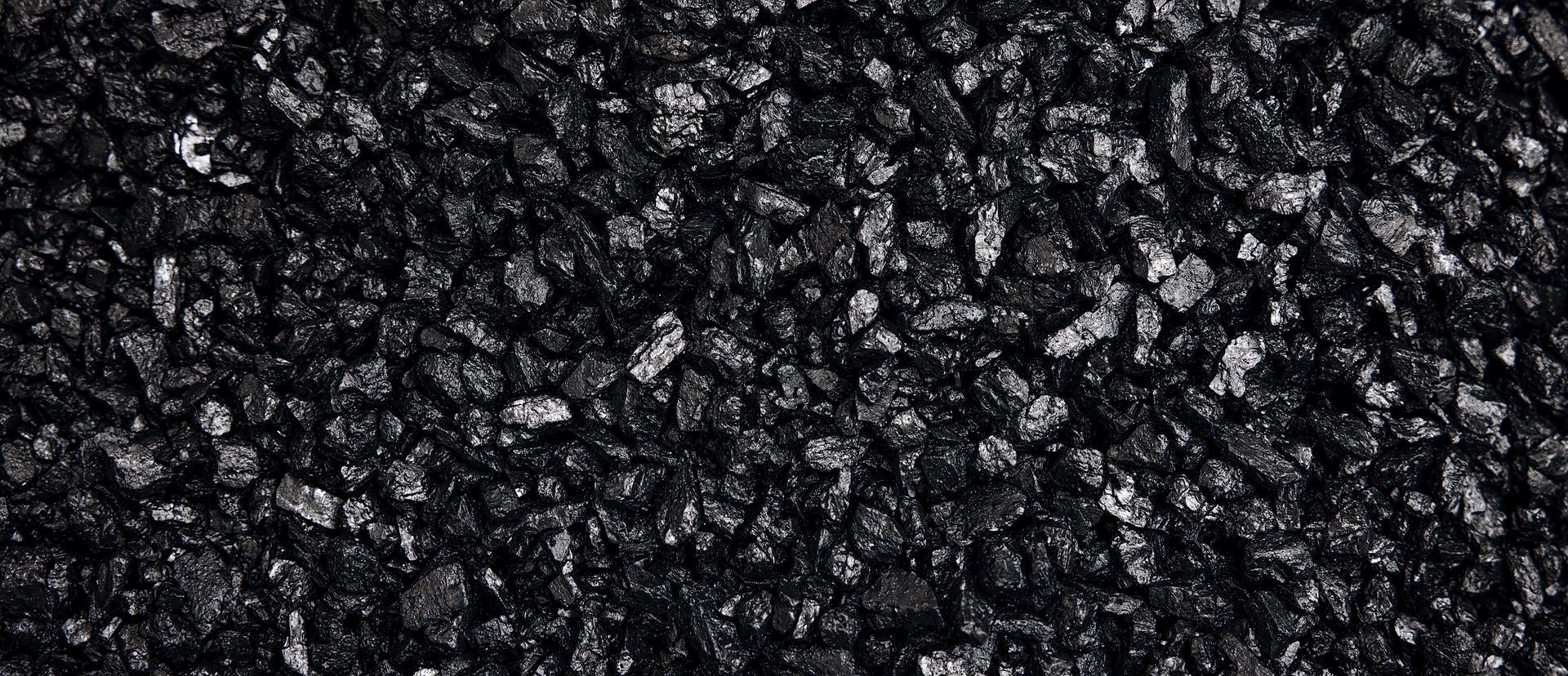
We install crushed stone, typically #21A or a similar angular aggregate, chosen for its interlocking character and drainage properties. Angular stone doesn't roll or shift the way rounded material does. It compacts into a dense, load-bearing mass that locks in place under traffic. Aggregate selection isn't a minor detail. The right stone holds the pavement above it; the wrong material gives way under load and starts a failure sequence that reaches the surface faster than most property owners expect.
Depth requirements vary by use. Residential driveways typically need a compacted stone base of 4 to 6 inches. Commercial lots and high-traffic areas often require 8 inches or more, depending on subgrade conditions and expected load. J. Stanley Asphalt Paving, operating out of New Freedom, Pennsylvania, assesses each site individually before specifying depth. Under-building the base is the single most common cause of early paving failure, and it's entirely avoidable with a proper site evaluation upfront.
Stone must be mechanically compacted in lifts, not placed all at once. Adding the full depth in a single layer traps loose material in the middle. Compacting in passes creates a dense, unyielding platform that prevents settlement under the finished surface. Some projects also call for asphalt millings as a base layer, which can perform well when properly compacted. The method we use depends on site conditions and the surface going on top.
The Right Stone Base Prevents Costly Repairs Later
Pavement placed over a well-built stone base lasts longer and requires fewer repair calls over its life. The base absorbs and distributes load, resists moisture migration, and keeps the surface stable through seasonal ground movement. Getting the base right the first time is the most cost-effective decision in any paving project.
Our Grading Process From Site Visit to Final Grade
Every grading job starts with a site visit. We assess existing ground conditions, including soil type, current slope, drainage patterns, and any obstructions that need clearing before equipment arrives. That assessment tells us how much cut-and-fill work is required and identifies problem areas early. It's far easier to solve a drainage challenge in the planning stage than to correct it after a surface has been placed.
The clearing phase removes topsoil, vegetation, root systems, and any material that would create an unstable base. Once the site is clear, equipment establishes the general grade elevation in what we call the rough cut. This phase sets the drainage slope that protects the finished surface for years to come. We work quickly, but we don't skip steps here, because the rough cut determines everything that follows.
Fine grading is the precision pass. We bring the surface to within tolerance of the finished grade specification, leaving a smooth, visibly sloped earth surface ready for stone placement. Tolerances matter more than most people realize. High spots cause thin pavement coverage; low spots cause pooling. If you're planning tar and chip paving over a prepared base, the fine grade is what makes that surface perform as intended.
When our crew arrives on site day, you can expect equipment noise and temporary disruption to driveway access. A typical residential grading project runs one to two days depending on site size and conditions. We'll let you know beforehand what access will be affected and when it'll be restored. We keep the work area as contained as we can.
Equipment We Use for Residential and Commercial Grading Jobs
Residential grading projects typically use skid-steers for tight access areas and plate compactors to firm up the finished grade. Larger sites call for motor graders that cover more ground precisely. Southern Pennsylvania and northern Maryland properties often have tight access, mature trees, or uneven terrain, and we match our equipment to what the site allows rather than arriving with a one-size approach.

Grading and Stone Prep Questions, Plainly Answered
The questions below cover what homeowners and property managers most often ask us before scheduling grading and stone work. We've answered them plainly so you know what to expect before we ever set foot on your property.
Do I need grading and stone work before getting a new driveway?
Yes, most new driveway installations require grading and stone base prep, especially on properties where the existing surface is uneven, poorly drained, or has never been paved. We assess each site to determine the scope of work needed. Some properties need minimal grading; others need more significant cut-and-fill to get the base right.
How does grading fix drainage problems in my driveway or yard?
Grading reshapes the ground so water flows away from structures and toward safe outlets. Driveways require a minimum 2% cross-slope to shed water effectively. When that slope is established correctly, pooling stops. Correct grading eliminates the standing water that works into pavement cracks and accelerates surface failure over time.
Can you pave over my existing driveway without regrading it first?
Sometimes, but not always. If the existing surface drains well and the subgrade is stable, an overlay may be appropriate. When there are drainage problems, visible base failure, or soft spots, we'll recommend full base prep before paving. The existing drainage performance and subgrade condition together determine the right answer for your specific site.
Does J. Stanley Asphalt Paving handle both grading and paving as one job?
Yes, we handle site prep and paving as a single project. Combining the work improves coordination between the grading crew and the paving crew, reduces mobilization costs, and ensures the finished surface matches the base we prepared. We serve residential and commercial customers across Pennsylvania and Maryland from our base in New Freedom, PA.
How deep does a stone base need to be under a driveway?
Residential driveways typically need 4 to 6 inches of compacted stone base. Commercial surfaces and high-traffic areas generally need more. The correct depth depends on soil conditions, expected traffic load, and whether the subgrade was properly graded before stone was placed. We assess each site before specifying depth rather than applying a single standard to every job.
Schedule a Grading and Stone Assessment Today
Get in touch to arrange a site assessment for grading and stone prep work. J. Stanley Asphalt Paving serves residential and commercial customers across Pennsylvania and Maryland, and a site visit is the best way to scope the work accurately. We're ready to take a look and give you a clear, honest picture of what your project needs.